How to Find Legitimate Remote Work in 2026: A Beginner’s Guide
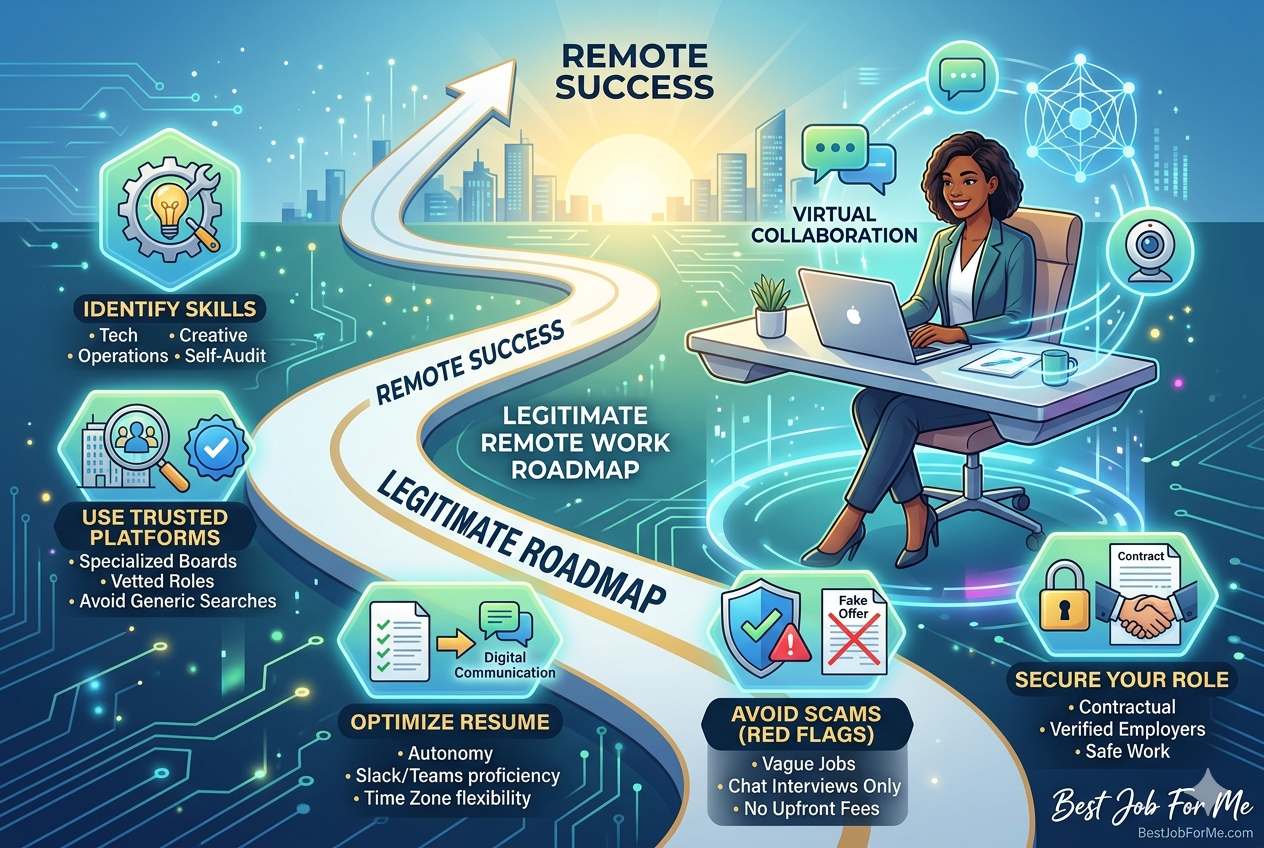
Working from home is no longer just a trend. In 2026, many companies hire employees from different cities and countries because remote work helps them find skilled workers without location limits.
Stay connected
Add us as a trusted source on Google
Get our latest guides, updates, and helpful resources surfaced more often when you search and browse.
For job seekers, remote work offers many benefits, including flexible schedules, better work-life balance, and no daily travel to the office.
However, as remote jobs become more popular, online job scams are also increasing. Finding a real remote job requires the right strategy and careful research.
In this guide, you’ll learn how to find legitimate remote jobs, improve your chances of getting hired, and avoid common scams.
1. Identify Your Remote-Friendly Skills
Before applying for remote jobs, take some time to understand your skills and how they fit into remote work opportunities.
Many jobs can now be done completely online.
Popular Remote Job Categories
Technical Jobs
- Web Development
- WordPress Development
- Software Testing
- Cloud Computing
- App Development
Administrative Jobs
- Data Entry
- Virtual Assistant
- Customer Support
- Project Management
Creative Jobs
- Graphic Design
- UI/UX Design
- Content Writing
- Copywriting
- Video Editing
If you don’t have experience in these fields yet, start by learning basic digital skills that are in demand. Building websites, writing content, or learning design tools can be a good starting point.
2. Use Remote Job Websites
Many people search for remote jobs on general job portals, but specialized remote job websites often provide better opportunities.
These websites focus mainly on remote positions and are trusted by job seekers worldwide.
Popular Remote Job Platforms
We Work Remotely
One of the largest remote job websites with opportunities in:
- Development
- Design
- Marketing
- Customer Support
FlexJobs
A well-known platform that reviews job listings before posting them, helping users avoid scams.
Remote.co
Offers remote opportunities from companies that support fully remote teams.
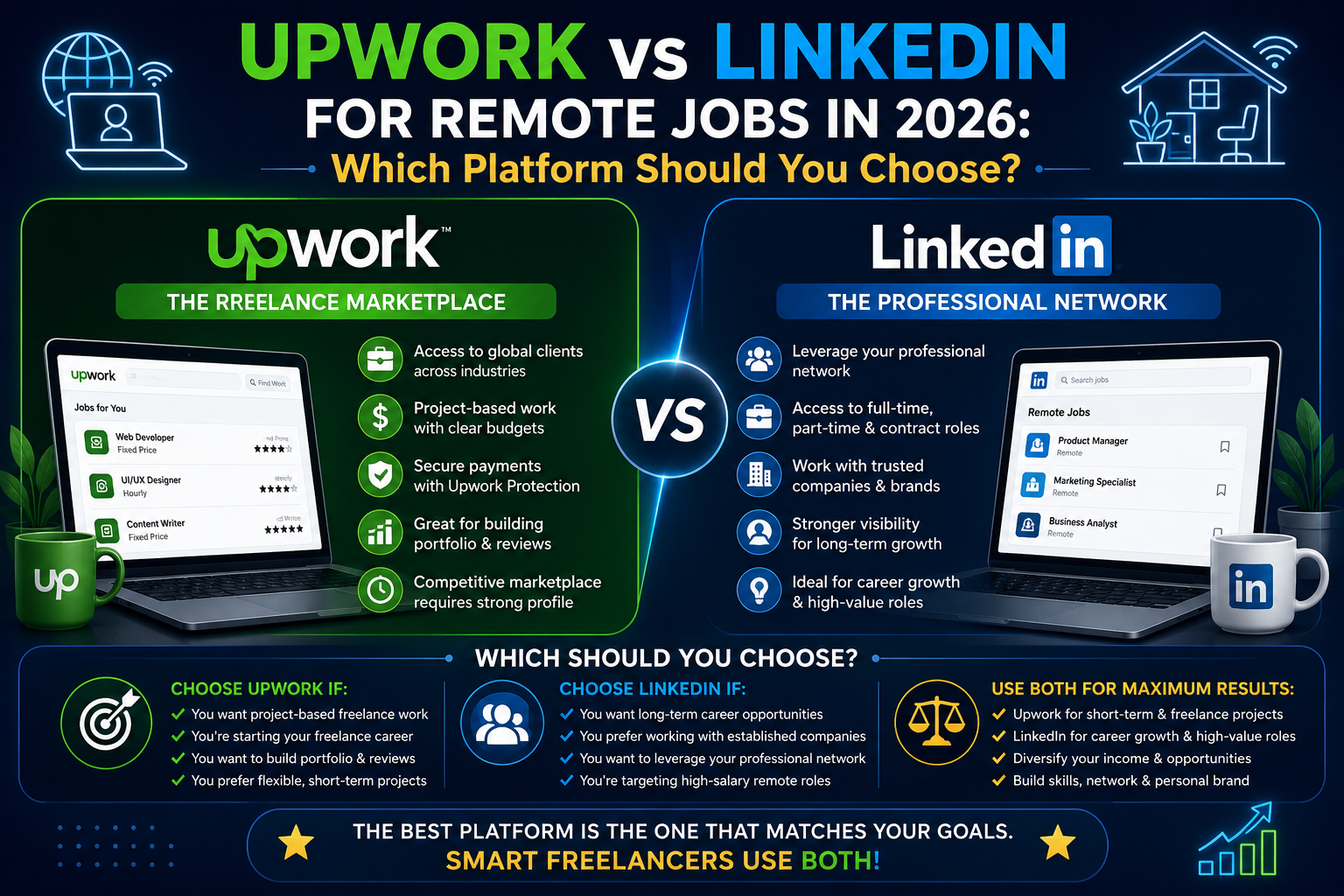
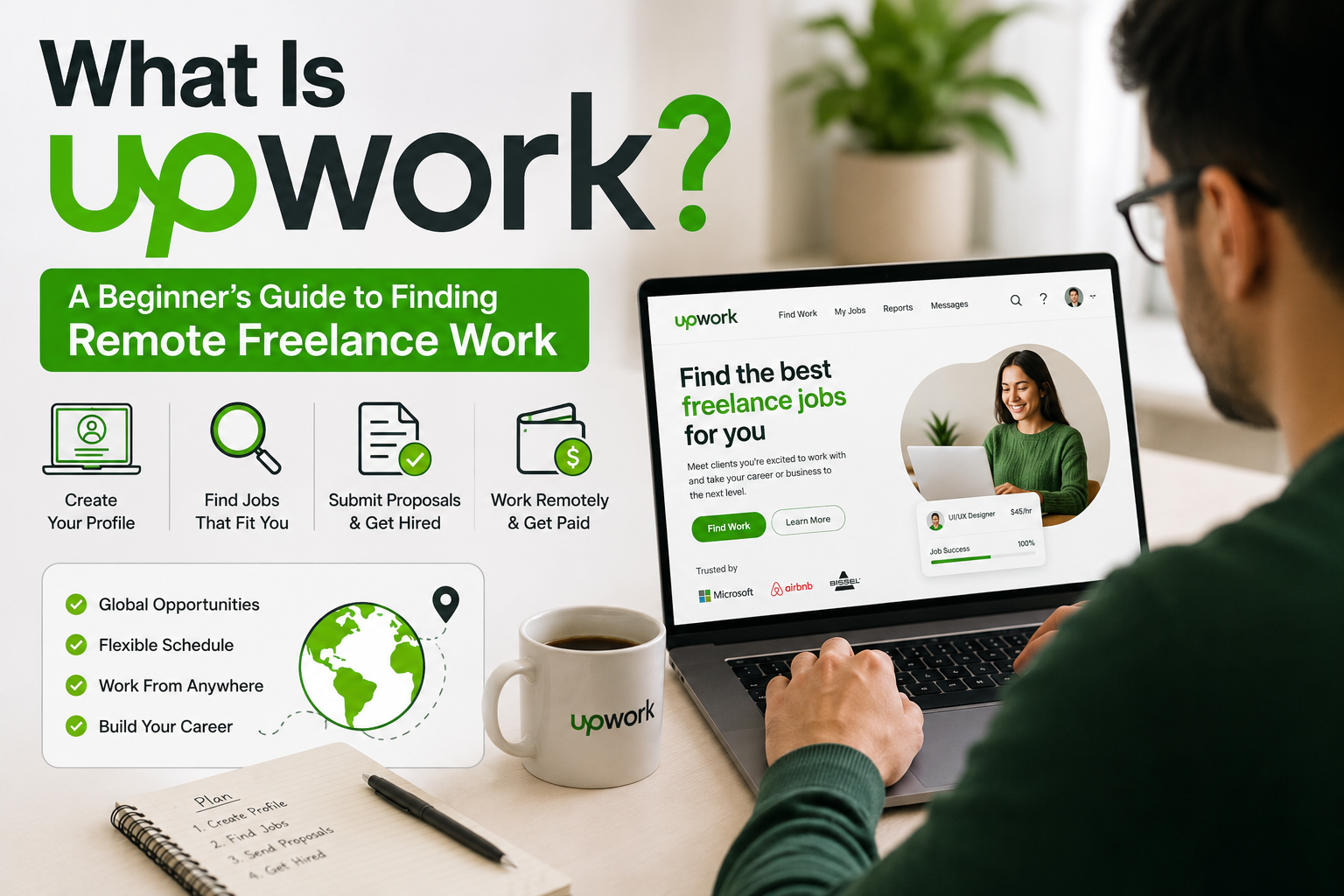
Upwork and Fiverr
These platforms are ideal for freelancers who want to work on projects instead of full-time jobs.
You can offer services such as:
- Web Development
- Graphic Design
- Content Writing
- Video Editing
- Digital Marketing
3. Improve Your Resume for Remote Jobs
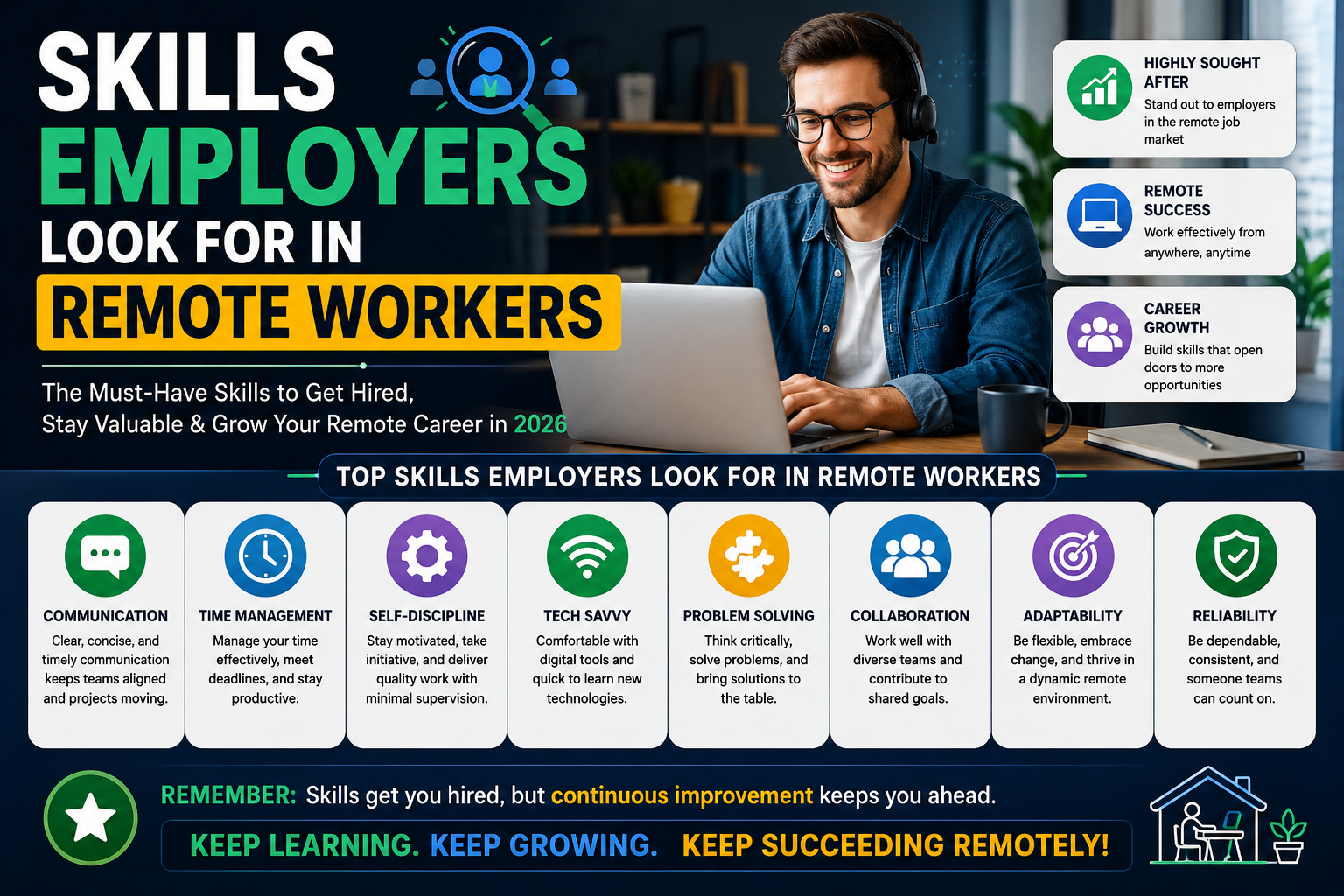
Remote employers look for candidates who can work independently and communicate effectively.
Your resume should show that you can manage tasks without constant supervision.
Skills to Highlight
Digital Tools
Mention tools you have used, such as:
- Zoom
- Slack
- Microsoft Teams
- Notion
- Jira
- GitHub
Self-Management Skills
Show examples of working independently and meeting deadlines.
Example:
“Successfully completed multiple website projects independently while meeting all project deadlines.”
Flexible Working Hours
If you’re applying to international companies, mention your availability to work with different time zones when applicable.
4. Learn How to Spot Job Scams
Not every remote job advertisement is genuine. Learning to identify warning signs can help protect your time and money.
Warning Signs of a Scam
They Ask for Money
A legitimate employer will never ask you to pay money to get a job.
Be careful if someone asks for:
- Registration fees
- Training fees
- Equipment payments
- Security deposits
Interviews Only Through Chat Apps
Most real companies conduct interviews through:
- Zoom
- Google Meet
- Microsoft Teams
Be cautious if all communication happens only through messaging apps.
Unrealistic Salary Promises
Be careful of job ads that promise extremely high income for very little work.
For example:
“Earn ₹1 lakh per week working only 2 hours a day.”
If it sounds too good to be true, it probably is.
Poor Job Descriptions
Legitimate companies clearly explain:
- Job responsibilities
- Required skills
- Working hours
- Salary details
Avoid listings that provide very little information about the role.
5. Build Your Online Presence
Many remote employers check your online profiles before contacting you.
Create a LinkedIn Profile
A professional LinkedIn profile helps recruiters find you and learn about your skills.
Build a Portfolio
If you’re applying for technical or creative jobs, create a portfolio that showcases your work.
Examples include:
- Websites you’ve built
- Design projects
- Writing samples
- Coding projects
- Freelance work
A strong portfolio can often impress employers more than a resume.
Final Thoughts
Finding a legitimate remote job is possible if you focus on the right skills, use trusted job websites, and stay alert to scams.
Start by identifying your strengths, improving your resume, and building a professional online presence. Apply consistently and avoid offers that seem unrealistic.
Remote work opportunities continue to grow every year, and companies around the world are looking for talented people who can work effectively from anywhere.
With the right approach, you can build a successful remote career in 2026 and beyond.