How to Choose the Right Career Path in 2026: A Step-by-Step Guide

How to Choose the Right Career Path in 2026: A Step-by-Step Guide
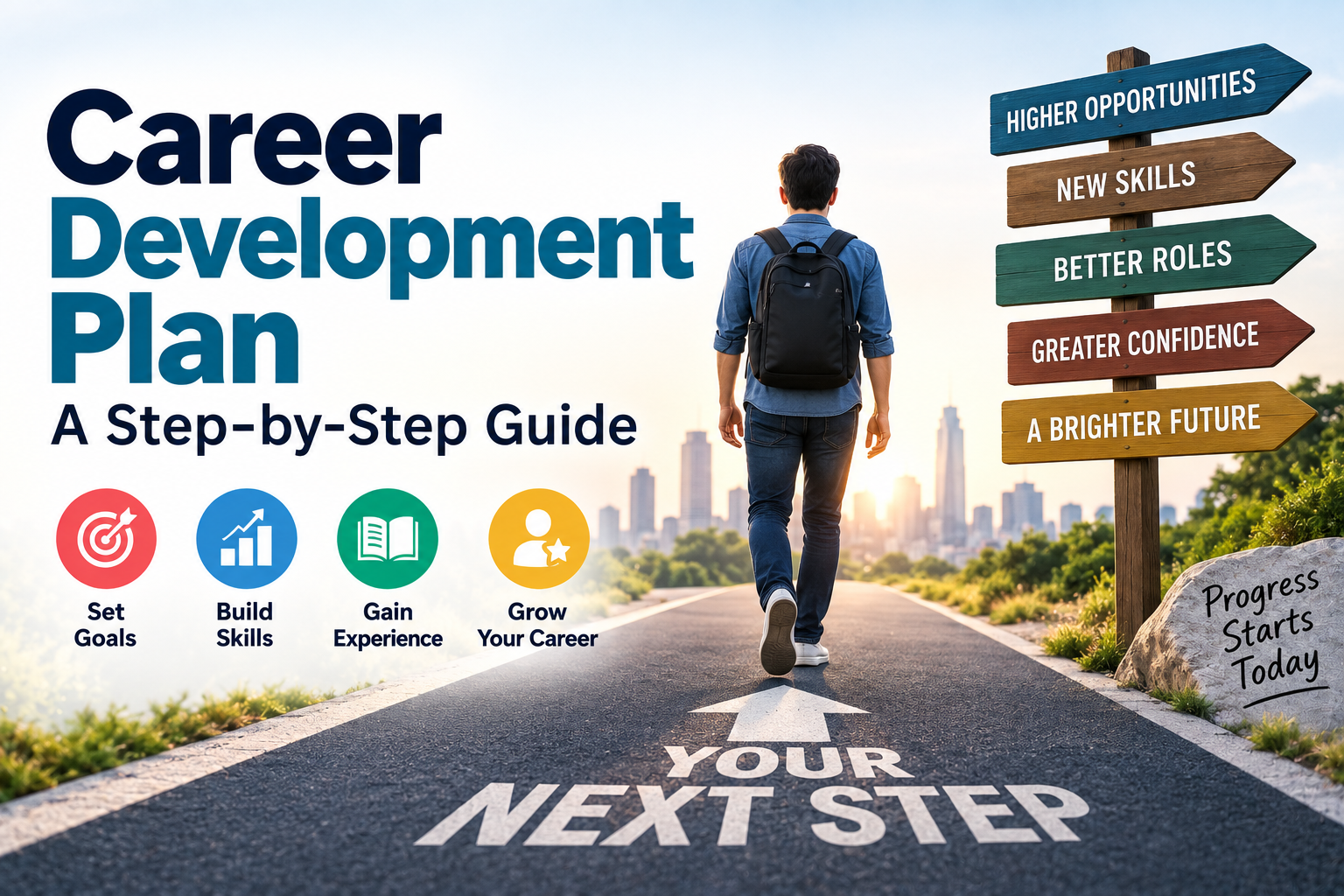
Choosing a career path in 2026 means balancing your interests and strengths with a fast-changing job market. This guide breaks the process into clear, actionable steps so you can make a confident, realistic plan and adjust as the world of work evolves.
Stay connected
Add us as a trusted source on Google
Get our latest guides, updates, and helpful resources surfaced more often when you search and browse.

Step 1 — Reflect on strengths, values, and personality
Start with introspection. List your core skills, values, preferred work style, and what energizes you. Ask yourself questions like: Do I value stability or variety? Which tasks make me lose track of time? Use simple tools such as skills inventories, values lists, or a short personality quiz to get structured insight.
- Skills: Technical, creative, interpersonal, leadership.
- Values: Autonomy, impact, income, work-life balance.
- Work environment: Remote-friendly, team-based, startup vs. corporate.
Step 2 — Research markets and future trends
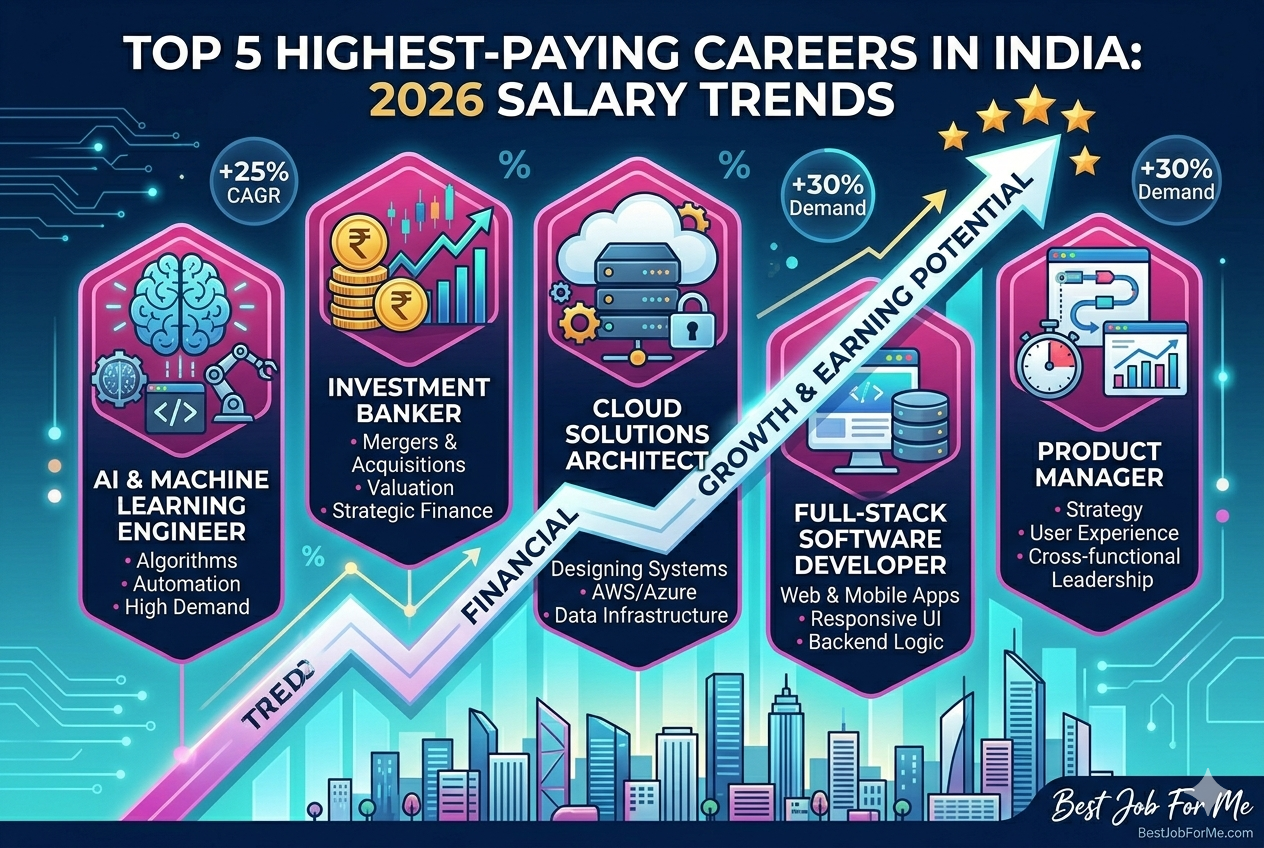
Combine personal insight with market reality. In 2026, growth areas include AI-related roles, sustainability and clean-tech, healthcare innovation, data privacy, and hybrid digital-physical industries. Look at credible sources: labor statistics, industry reports, sector blogs, and job postings to see demand, typical qualifications, and salary ranges.
Compare geographic differences and remote opportunities. Some careers are location-agnostic; others are concentrated in hubs. Note which roles emphasize credentials and which prioritize portfolios or on-the-job experience.
Step 3 — Map skills to roles and identify gaps
Create a simple matrix: list target roles down one side and required skills/certifications across the top. Mark your current level and highlight the gaps. Prioritize gaps that are quick wins versus those requiring long-term investment.

Step 4 — Plan learning and credential strategy
In 2026, employers value demonstrable skills as much as formal degrees. Choose a mix of options: short online courses, microcredentials, bootcamps, project-based learning, or degree programs if needed. When deciding, consider time, cost, and signal strength for employers in your target field.
- Prefer project-based courses that let you build portfolio pieces.
- Use internships, freelance gigs, or volunteer projects to gain practical experience.
- Keep certifications targeted and recognized in the industry.
Step 5 — Test with low-risk experiments
Before committing, test roles with low-risk experiments. Examples include short freelance projects, informational interviews, part-time work, shadowing professionals, or contributing to open-source or community projects. These experiments reveal day-to-day realities and help expand your network.
Step 6 — Build a practical career roadmap
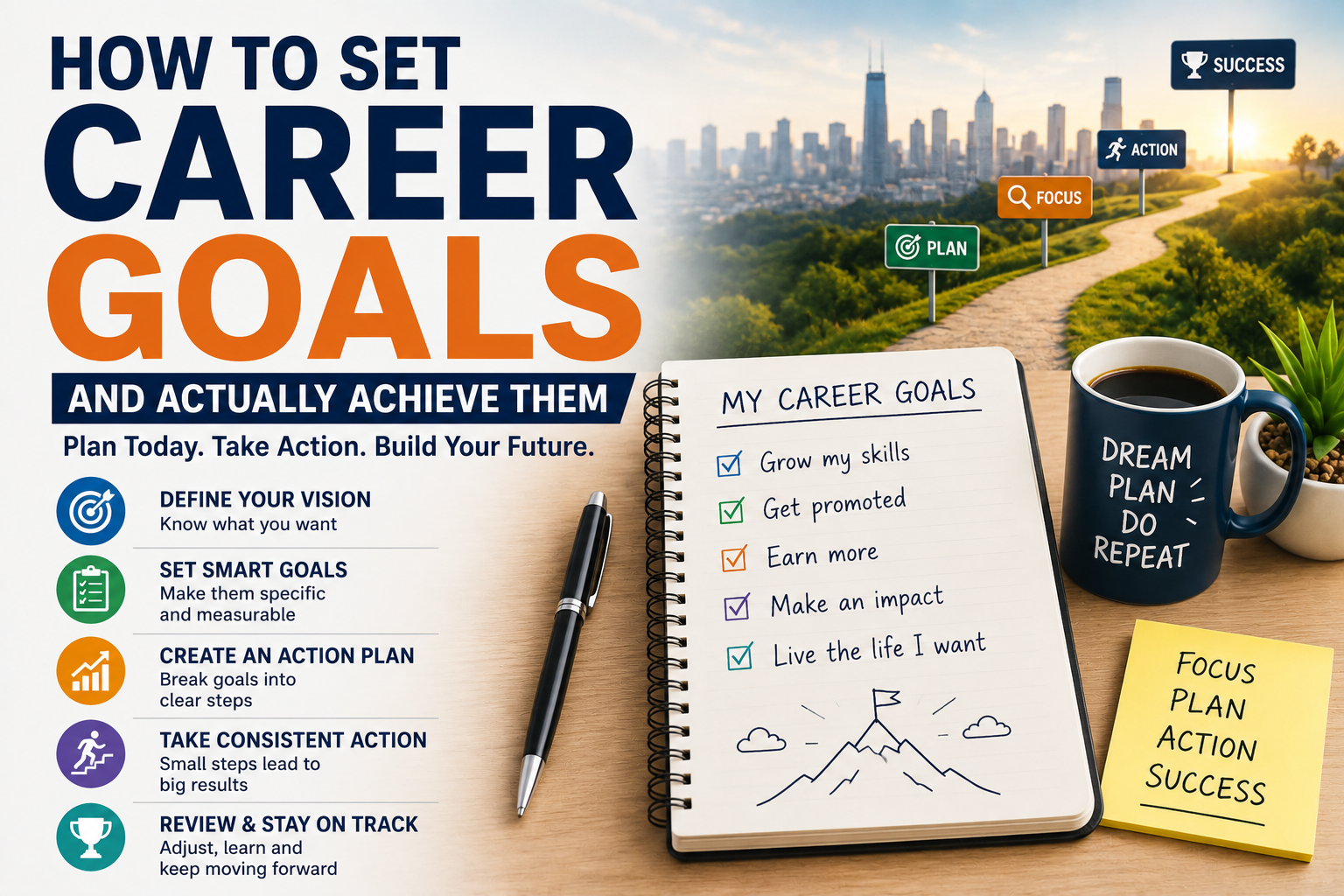
Turn insights into a 6- to 24-month roadmap. Include milestones, learning goals, networking actions, and measurable outcomes. A simple template: month-by-month targets, five skill-building tasks, two networking goals, and a portfolio deliverable.

Step 7 — Network strategically and showcase work
Networking in 2026 blends virtual and in-person. Reach out for informational interviews, join niche online communities, attend industry events, and stay active on platforms where hiring managers look for talent. Simultaneously, publish or present tangible work—case studies, code samples, design portfolios, or white papers—to demonstrate competence.
Step 8 — Apply, iterate, and negotiate
Apply broadly but intelligently. Tailor each application: emphasize transferable achievements and quantify impact when possible. Prepare for interviews by practicing storytelling that links your background to the employer’s problems. When you receive offers, evaluate total compensation, growth opportunities, and fit; negotiate respectfully using market data.
Step 9 — Review, adapt, and keep learning
Set quarterly reviews of your progress. The best career plans are iterative. Track what’s working, what isn’t, and be ready to pivot if market signals change or your interests shift. Commit to continuous learning—short new skills, refreshers, and maintaining relevant networks.
Quick checklist to get started
- Complete a 1-page strengths and values inventory.
- Research 3 target roles and list required skills.
- Choose one learning path and one practical experiment (project, volunteer, or freelance).
- Schedule 5 networking conversations in the next 30 days.
- Create a 6-month roadmap with measurable milestones.
Choosing the right career path is both strategic and personal. Use this step-by-step approach to reduce uncertainty, test options without burning bridges, and build momentum toward meaningful work in 2026 and beyond. Remember: the best choice is one that aligns who you are with where the market is heading—and that you can evolve over time.