How to Write a Resume with No Experience: The Complete Guide for Freshers
One of the biggest challenges for freshers entering the job market is the experience dilemma: employers want experience, but you need a job to gain experience in the first place.
Stay connected
Add us as a trusted source on Google
Get our latest guides, updates, and helpful resources surfaced more often when you search and browse.
If you’re a recent graduate, current student, or someone transitioning into a new career, creating your first resume can feel overwhelming. Looking at a blank document often leads many candidates to believe they have nothing valuable to showcase.
The truth is that having no formal work experience does not mean you have nothing to offer. Employers look beyond job titles and company names. They want evidence of skills, initiative, problem-solving abilities, and the potential to succeed in the role.
In this guide, you’ll learn how to build an impressive resume from scratch, even if you’ve never had a full-time job. By presenting your education, projects, skills, and achievements effectively, you can create a resume that captures recruiters’ attention.
1. Select the Right Resume Format
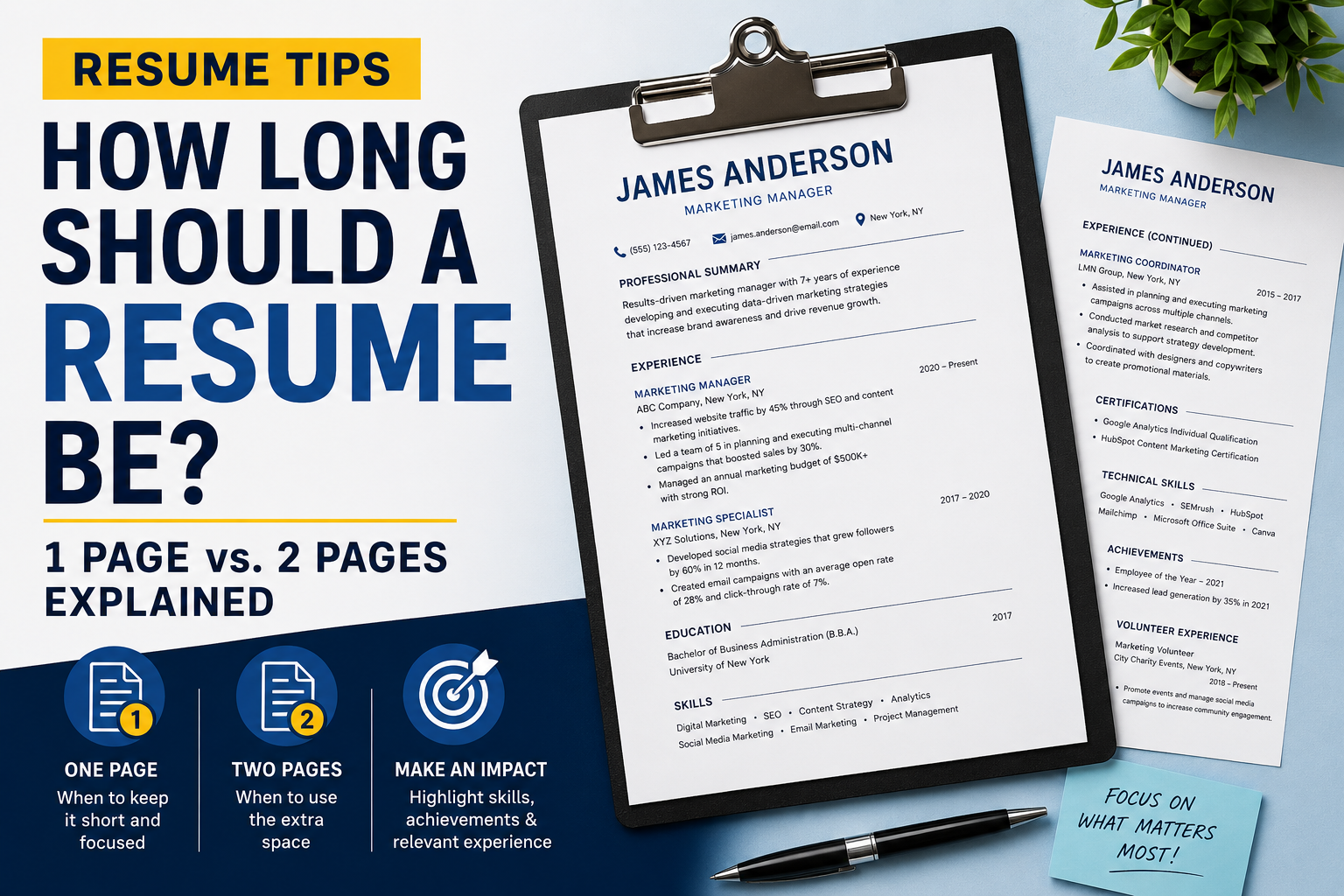
Traditional resumes usually follow a chronological format that places work experience at the top of the page. For freshers with little or no professional experience, this structure can leave a large empty section that immediately highlights what’s missing.
A better option is to use a Functional Resume or Hybrid Resume format.
These formats emphasize your skills, projects, education, and accomplishments instead of focusing solely on employment history.
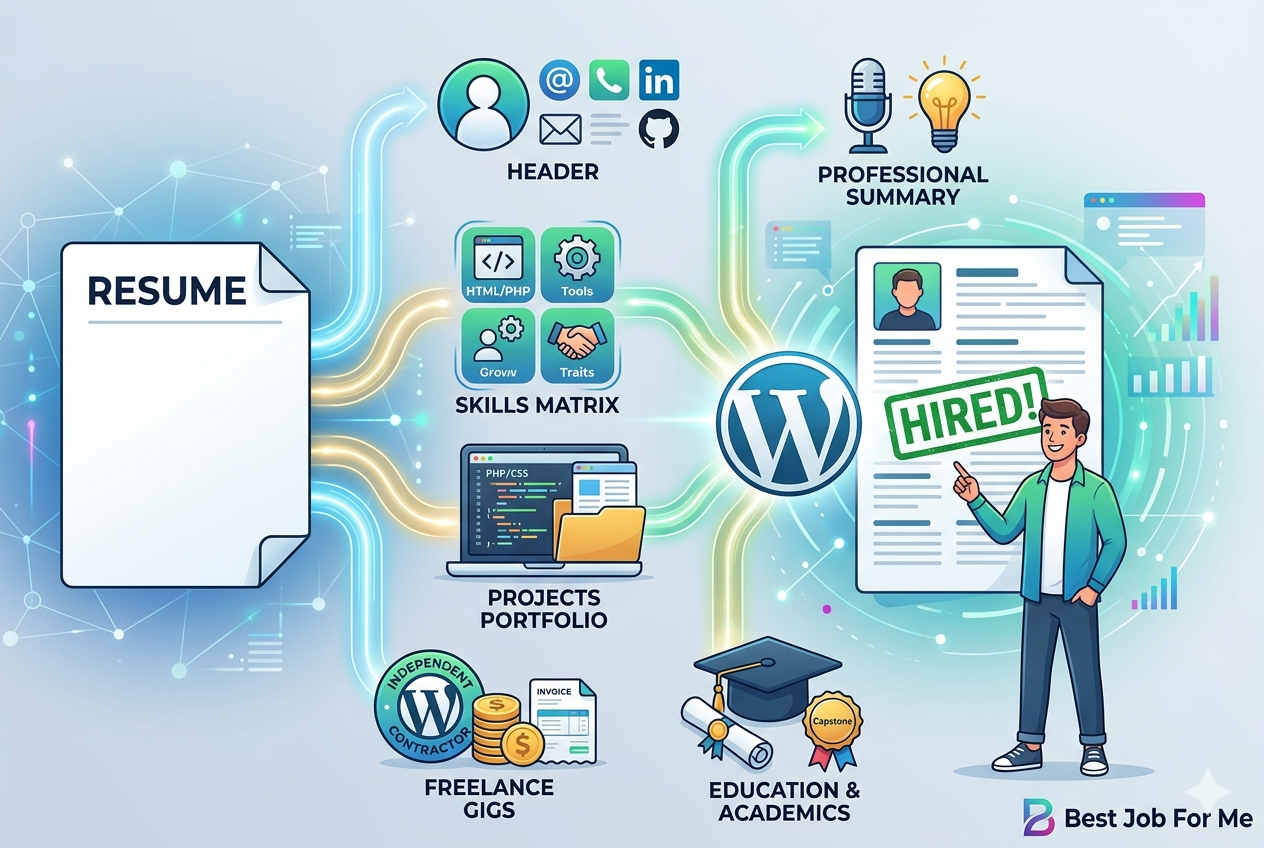
Recommended Resume Structure for Freshers
Header
- Full Name
- Phone Number
- Professional Email Address
- LinkedIn Profile
- Portfolio Website or GitHub Profile
Professional Summary
- A concise introduction highlighting your skills and career goals.
Core Skills
- Technical and soft skills relevant to the position.
Projects
- Academic, personal, freelance, or volunteer projects.
Education
- Degree, certifications, and relevant coursework.
Achievements & Certifications
- Additional qualifications that demonstrate initiative and continuous learning.
2. Write a Strong Professional Summary
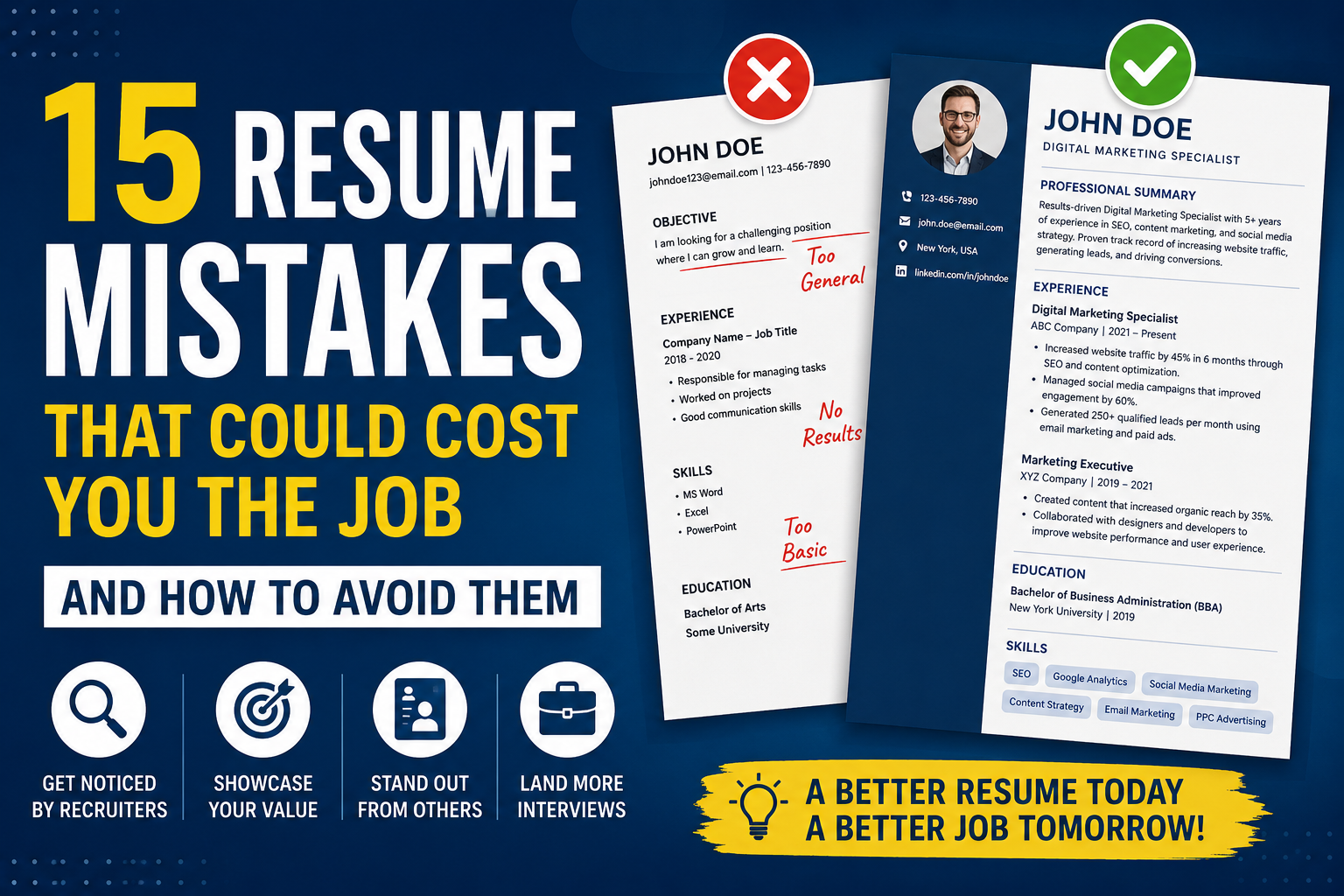
Avoid outdated objective statements such as:
“Seeking a challenging position in a reputable organization where I can utilize my skills and grow professionally.”
Recruiters see these generic statements every day, and they provide little insight into your actual capabilities.
Instead, write a professional summary that highlights your strengths, skills, and the value you can bring to the organization.
Example: Web Development Fresher
“Motivated and detail-oriented web development graduate with a strong foundation in HTML5, CSS3, JavaScript, and PHP. Experienced in building responsive web applications and personal projects from concept to deployment. Eager to contribute technical expertise, problem-solving skills, and a passion for continuous learning as a Junior Web Developer.”
3. Transform Your Experience into Professional Value
Many freshers assume they have no experience simply because they haven’t worked in a corporate environment.
In reality, personal projects, freelance work, volunteer activities, and academic achievements can all demonstrate relevant experience.
Personal Projects
Personal projects are often the strongest proof of your abilities.
Whether you’ve built a website, mobile application, portfolio, blog, or software tool, these projects show initiative and practical skills.
Weak Example
“Created a blog website using WordPress.”
Strong Example
“Designed and developed a responsive WordPress blog using custom CSS and modern block-based layouts. Optimized site performance and achieved a Google PageSpeed Insights score above 95 on mobile devices.”
Freelance and Small Client Work
Any work completed for local businesses, family members, friends, or online clients can be included on your resume.
Even small projects demonstrate communication skills, problem-solving abilities, and real-world experience.
Example
“Worked directly with small business owners to identify website requirements, resolve CSS compatibility issues, and improve mobile responsiveness across multiple devices and browsers.”
Academic Projects and Leadership Experience
Your education section should do more than simply list your degree.
Highlight significant projects, research assignments, leadership roles, and teamwork experiences.
Example
“Led a team of four students during a final-year capstone project, coordinating development tasks and ensuring project completion ahead of schedule.”
4. Showcase Your Skills Effectively
One of the most common mistakes freshers make is listing skills without any structure.
Recruiters often spend only a few seconds scanning a resume, so your skills should be easy to identify.
Core Skills Matrix
| Category | Skills |
|---|---|
| Development Technologies | HTML5, CSS3, JavaScript, PHP |
| Tools & Platforms | WordPress, Git, GitHub, LocalWP, VS Code |
| Database Knowledge | MySQL, Database Fundamentals |
| Professional Skills | Teamwork, Problem Solving, Communication, Analytical Thinking |
Pro Tip
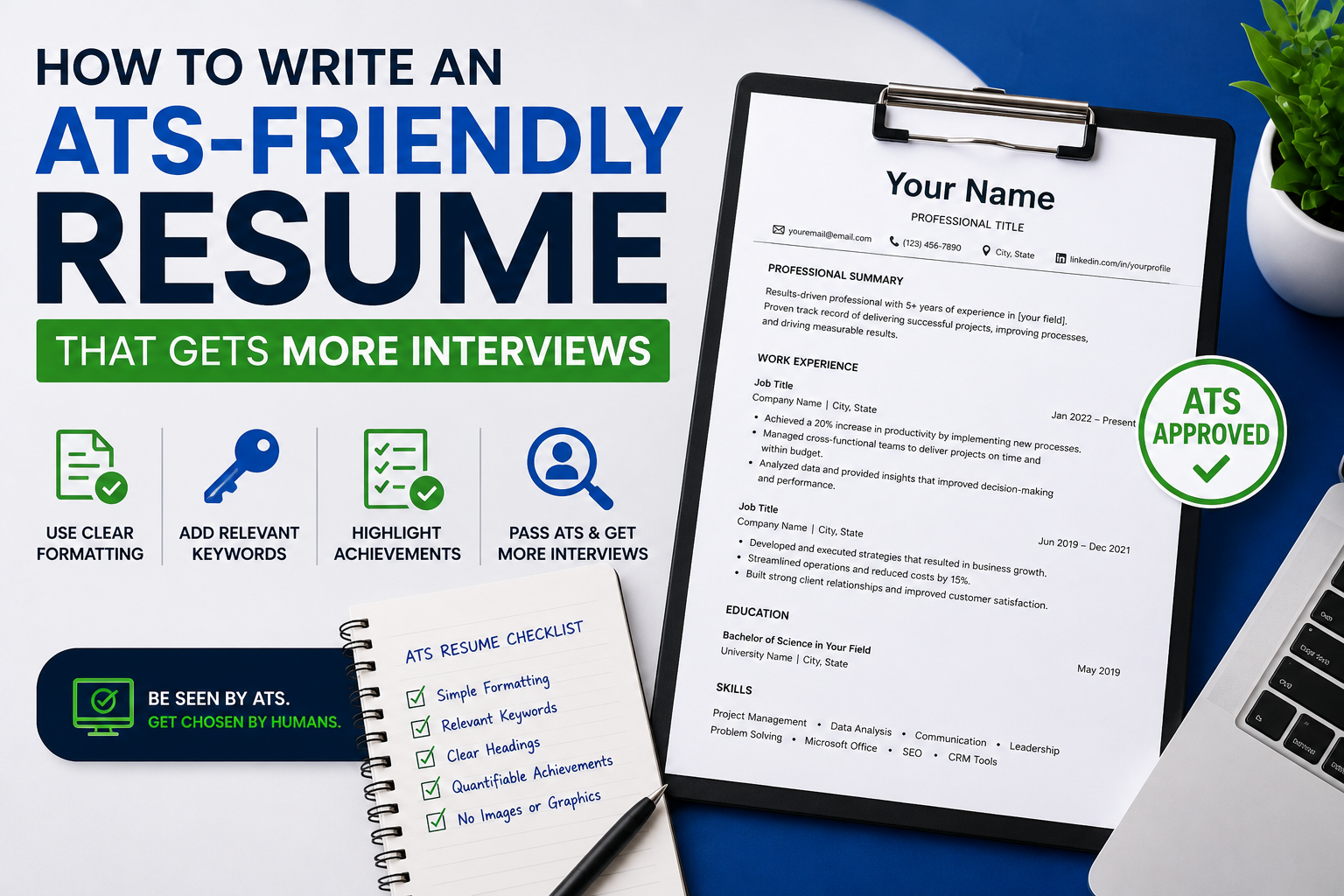
Before applying for a job, review the job description carefully and include relevant keywords that match your qualifications. This can improve your chances of passing Applicant Tracking Systems (ATS) and catching a recruiter’s attention.
5. Ways to Strengthen Your Resume
When several candidates have similar educational backgrounds, small additions can make a significant difference.
Include Links to Your Work
If you’re applying for technical, creative, or digital roles, always provide links to:
- GitHub repositories
- Personal portfolio websites
- Live project demos
- LinkedIn profile
These links allow recruiters to verify your skills instantly.
Earn Industry Certifications
Certifications demonstrate commitment to learning and professional growth.
Popular learning platforms include:
- Coursera
- Udemy
- freeCodeCamp
- Google Career Certificates
- LinkedIn Learning
Relevant certifications can strengthen your profile and help compensate for limited work experience.
Keep Your Resume to One Page
For freshers and entry-level candidates, a one-page resume is usually the best approach.
Focus only on information that supports your application and remove anything that doesn’t add value.
A clean, well-organized resume is more effective than a lengthy document filled with unnecessary details.
Final Thoughts
Having no professional experience doesn’t mean you can’t create a strong resume. Every project you’ve completed, every skill you’ve learned, and every achievement you’ve earned contributes to your professional profile.
By choosing the right resume format, highlighting meaningful projects, presenting freelance work professionally, and organizing your skills effectively, you can demonstrate your potential to employers even without a traditional work history.
Remember, every experienced professional started somewhere. Your goal isn’t to prove years of experience—it’s to show recruiters that you have the skills, motivation, and willingness to learn needed to succeed in your first role.