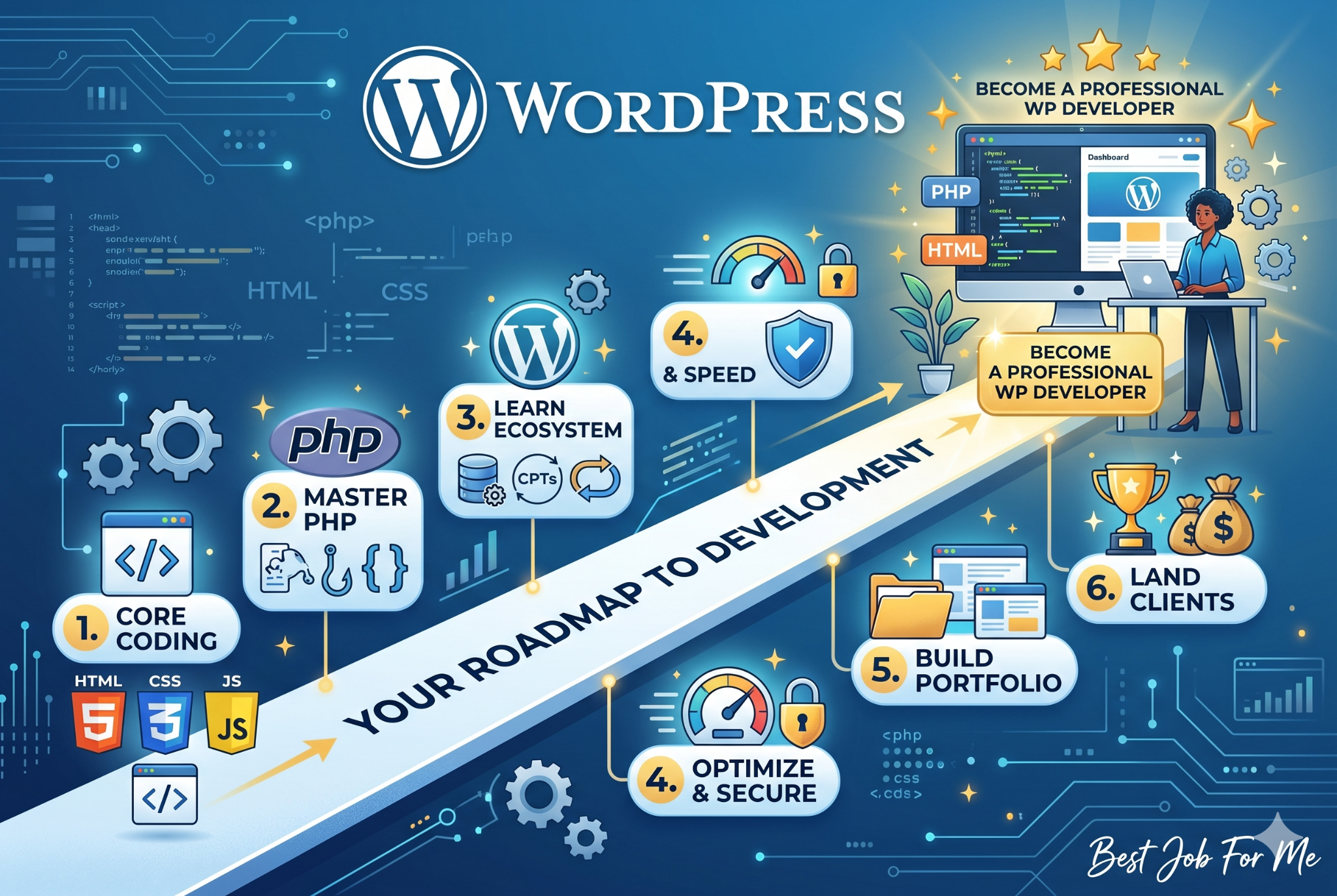
Web Hosting as a Career in 2026: Skills, Roadmap & Essential Tools

When people think about technology careers, they often focus on software development, app creation, or artificial intelligence. However, there is another critical area of the tech industry that powers every website, online store, and web application on the internet: web hosting.
Stay connected
Add us as a trusted source on Google
Get our latest guides, updates, and helpful resources surfaced more often when you search and browse.
Every website needs a server. Every online business relies on hosting infrastructure. Whether it’s a personal blog, a corporate website, or a large eCommerce platform, someone needs to manage the environment that keeps it running smoothly.
This is where Web Hosting Specialists come in.
If you enjoy solving technical problems, working with servers, optimizing website performance, and helping businesses maintain their online presence, a career in web hosting can be an excellent choice.
What Is a Web Hosting Specialist?
A Web Hosting Specialist is responsible for managing the infrastructure that websites and applications depend on. Their job is to ensure websites remain accessible, secure, and optimized for performance.
Unlike software developers who create applications, hosting professionals focus on the systems that support those applications.
Common responsibilities include:
- Managing hosting accounts and server resources
- Configuring domains and DNS records
- Installing and renewing SSL certificates
- Monitoring website performance
- Troubleshooting server issues
- Performing website migrations
- Managing backups and security measures
- Assisting clients with hosting-related problems
As businesses continue to expand their online presence, professionals with hosting and infrastructure skills remain in demand across agencies, hosting companies, and freelance marketplaces.
Why Consider Web Hosting as a Career?
Web hosting offers a practical entry point into the technology industry without requiring years of advanced software development experience.
Some benefits of this career path include:
Diverse Learning Opportunities
You’ll gain experience in multiple technical areas, including:
- Linux administration
- Networking fundamentals
- Website management
- Cloud computing
- Cybersecurity
- Database management
Strong Remote Work Potential
Many hosting-related roles can be performed remotely, making this career attractive for freelancers and remote professionals.
Continuous Growth
As your skills develop, you can expand into areas such as:
- Server administration
- Cloud infrastructure
- DevOps
- Website performance optimization
- Cybersecurity
- Cloud architecture
Essential Skills for Hosting Professionals
1. Website Hosting Fundamentals
Before working with advanced infrastructure, you should understand how websites function on hosting servers.
Important topics include:
- Shared hosting
- VPS hosting
- Cloud hosting
- Domain management
- DNS configuration
- SSL certificates
- Email hosting
2. WordPress Management
Since WordPress powers a significant portion of websites worldwide, hosting professionals should understand:
- WordPress installation
- Theme and plugin management
- Backup procedures
- Security best practices
- Performance optimization
3. Linux Basics
Most web servers run on Linux operating systems.
Key skills include:
- SSH access
- File permissions
- User management
- Command-line navigation
- Log file analysis
- Package installation
4. Basic Web Development Knowledge
You don’t need to become a full-time developer, but understanding the basics can help you troubleshoot issues more effectively.
Learn:
- HTML
- CSS
- Basic PHP
- Database concepts
- Website file structures
5. Security and Backup Management
Security is one of the most important responsibilities in hosting management.
Focus on learning:
- Firewall configuration
- Malware scanning
- SSL implementation
- Backup strategies
- Security monitoring
A Simple Roadmap to Start Your Hosting Career
Step 1: Learn How Hosting Works
Start by creating your own website and exploring a hosting dashboard. This hands-on experience helps you understand domains, DNS settings, databases, and file management.
Step 2: Master WordPress Hosting
Install WordPress, create test websites, and learn how to manage backups, updates, and security settings.
Step 3: Explore Linux and Server Management
Practice basic Linux commands and understand how servers operate behind the scenes.
Step 4: Learn Cloud Hosting
Cloud platforms have become the preferred choice for modern websites. Understanding cloud infrastructure can significantly expand your technical knowledge.
Step 5: Build Real-World Experience
Create personal projects, migrate websites, optimize performance, and document your work. Practical experience is often more valuable than theoretical knowledge.
Why Cloud Hosting Is Becoming the Industry Standard
Traditional shared hosting still exists, but many businesses now prefer cloud-based solutions because they offer better performance, flexibility, and scalability.
Cloud hosting allows websites to utilize modern infrastructure while making it easier to handle traffic growth and performance demands.
For anyone learning web hosting, becoming familiar with cloud hosting platforms is highly recommended.
Cloudways: A Great Platform for Learning and Managing Hosting
One platform worth exploring is Cloudways.
Cloudways simplifies cloud hosting by providing an easy-to-use management layer on top of leading cloud providers such as DigitalOcean, AWS, Google Cloud, Vultr, and Linode.
Instead of manually configuring every server component, users can manage websites through a streamlined dashboard.
Some features that make Cloudways useful for hosting professionals include:
- One-click server deployment
- Managed cloud infrastructure
- Free SSL certificates
- Automated backups
- Website staging environments
- Built-in performance optimization tools
- Team collaboration features
- Easy website migration tools
For beginners, Cloudways can be an excellent way to gain practical experience with cloud hosting without dealing with the complexity of raw cloud server administration.
If you’d like to explore the platform, you can start here:
Career Growth Opportunities
Web hosting can open doors to several specialized technology roles.
Potential career paths include:
- Hosting Support Specialist
- WordPress Hosting Expert
- Linux Administrator
- System Administrator
- Cloud Support Engineer
- DevOps Engineer
- Infrastructure Specialist
- Cloud Architect
The skills developed through hosting management often transfer naturally into broader cloud and infrastructure careers.
Final Thoughts
Web hosting is an excellent career option for individuals who enjoy working with technology infrastructure rather than building software applications from scratch.
By learning hosting fundamentals, WordPress management, Linux administration, cloud technologies, and website security, you can develop a valuable skill set that remains relevant across many industries.
Platforms like Cloudways make it easier than ever to gain hands-on experience with modern cloud hosting environments, making them a useful tool for both beginners and experienced professionals.
Whether your goal is freelancing, working remotely, supporting clients, or advancing into cloud infrastructure roles, web hosting provides a practical and rewarding path into the technology industry.