How to Spot Fake Remote Jobs: 15 Red Flags and Scams to Avoid

Remote work can give you more flexibility, eliminate a daily commute, and open the door to job opportunities beyond your local area. Unfortunately, the popularity of working from home has also created opportunities for scammers who pretend to be recruiters or legitimate employers.
Stay connected
Add us as a trusted source on Google
Get our latest guides, updates, and helpful resources surfaced more often when you search and browse.
A fake remote job isn’t always easy to recognize. Scammers may copy real job descriptions, impersonate established companies, create professional-looking recruiter profiles, or send convincing offer letters.
Some scams are designed to steal money. Others attempt to collect personal or financial information that could be used for identity theft or other fraud.
That doesn’t mean you should be afraid of applying for remote jobs. It simply means that knowing how to spot fake remote jobs should be part of your job-search process.
In this guide, you’ll learn the most common remote job scam warning signs, how to verify an employer, and what to do when an opportunity doesn’t seem legitimate.
Why Do Fake Remote Jobs Exist?
Remote hiring often takes place almost entirely online.
You may find a position on a job board, submit your resume electronically, speak with a recruiter online, attend a video interview, sign documents digitally, and begin working without ever visiting the company’s physical office.
Legitimate employers use this process every day.
Unfortunately, scammers can imitate parts of the same process.
They may pretend to represent a recognizable company or invent an organization that appears legitimate at first glance.
That’s why you shouldn’t judge a remote opportunity based only on how professional the job advertisement looks.
Consider the entire hiring process.
1. The Salary Seems Too Good to Be True
One of the easiest ways to attract job seekers is to promise unusually high pay for very little work.
You might see advertisements promising significant income for simple tasks such as:
- Basic data entry
- Typing
- Reviewing products
- Processing orders
- Clicking links
- Completing simple online tasks
High-paying remote jobs certainly exist.
The warning sign is when the compensation doesn’t make sense compared with the skills, experience, or responsibilities required.
For example, a highly skilled software engineer earning a strong salary isn’t unusual.
A company promising similarly high compensation for basic data entry requiring no experience deserves much more scrutiny.
Before applying, compare the advertised salary with similar positions in the same profession.
2. You Receive an Offer Without a Real Interview
Be cautious when someone offers you a job without meaningfully evaluating your qualifications.
A normal hiring process may include:
- Resume screening
- Recruiter conversation
- Phone interview
- Video interview
- Hiring-manager interview
- Skills assessment
- Portfolio review
- Reference checks
Not every employer follows exactly the same process.
However, legitimate companies generally want to know whether you can actually perform the job before hiring you.
Receiving an attractive offer shortly after providing basic information should encourage you to investigate further.
3. The Entire Interview Happens Through Text Messages
Remote companies regularly communicate through online tools, so receiving messages digitally isn’t unusual.
The concern arises when an employer refuses to have any meaningful live conversation and conducts the entire hiring process through text messages.
For example, someone may tell you:
“Your interview will be conducted through chat. Answer these questions and we’ll tell you immediately whether you’re hired.”
For many professional positions, hiring someone without a phone or video conversation would be unusual.
A text-based interview alone doesn’t prove something is fraudulent, but it becomes more concerning when combined with other warning signs.
4. The Recruiter’s Email Address Looks Suspicious
Always inspect the actual email address used by someone claiming to represent a company.
Don’t rely only on the sender’s display name.
Suppose someone claims to work for a company using:
examplecompany.com
but contacts you from an unrelated personal email address.
That deserves additional verification.
Scammers may also create domains that closely resemble legitimate company websites by:
- Changing one letter
- Adding a hyphen
- Adding an extra word
- Using another domain extension
- Replacing similar-looking characters
Look carefully before clicking links or sending information.
5. You Can’t Verify the Recruiter
If someone contacts you unexpectedly about a remote position, research them.
Search for:
- Their full name
- Company
- Job title
- Professional profile
- Company staff page
Check whether their professional history makes sense.
If the person claims to be a recruiter for an established organization but you can’t find any evidence connecting them to that company, proceed cautiously.
You can also contact the employer using contact information obtained independently from its official website.
6. You Can’t Find the Position on the Company’s Website
When someone approaches you about a job, visit the company’s official careers page.
Look for the same position.
Compare:
- Job title
- Location
- Responsibilities
- Qualifications
- Department
- Application instructions
Not every legitimate position appears publicly, so the absence of a listing doesn’t automatically mean it’s fraudulent.
However, if other details also seem suspicious, contact the company directly before continuing.
7. You’re Pressured to Make an Immediate Decision
Scammers frequently create urgency.
They don’t want you to have enough time to research the company or think carefully about what’s happening.
You might receive messages such as:
“You must accept within one hour.”
or:
“Send your information immediately or the opportunity will be given to someone else.”
Real employers can have hiring deadlines.
The difference is unreasonable pressure combined with other suspicious behavior.
Accepting a job is an important decision. A legitimate employer should generally allow reasonable time to review an offer.
8. You’re Asked to Pay Money to Get the Job
This is one of the biggest warning signs.
Be extremely cautious when someone claiming to be an employer asks you to pay for:
- Job placement
- Registration
- Applications
- Interviews
- Training
- Software
- Equipment
- Background checks through an unknown service
- Administrative fees
- Starter kits
The request may be presented professionally.
For example:
“Pay the equipment deposit and we’ll reimburse you with your first salary.”
Don’t allow promises of future reimbursement to pressure you into sending money.
Research the employer and payment request independently.
9. They Send You Money to Purchase Equipment
Legitimate remote companies may provide equipment such as computers, monitors, headsets, or other tools.
Some also reimburse employees for approved expenses.
However, equipment can also be used as part of a scam.
A supposed employer might send you money and tell you to purchase equipment from a particular vendor.
The payment you receive may later fail or be reversed, while the money you sent to the supposed vendor is gone.
If you’re asked to handle money before you’ve even started working, stop and verify the company carefully.
10. They Ask for Sensitive Information Too Early
Employers eventually need certain personal information from employees for legitimate purposes such as payroll and tax documentation.
The timing and method of the request matter.
Be cautious when someone you’ve barely communicated with immediately asks for information such as:
- Bank account details
- Credit or debit card numbers
- Government identification
- Tax identification information
- Online banking credentials
- Account passwords
- Verification codes
Never provide passwords or authentication codes to someone claiming to be an employer.
Before submitting sensitive information, verify who you’re dealing with and why the information is required.
11. The Job Description Is Extremely Vague
A legitimate job advertisement should usually explain what you’ll actually be doing.
Watch for listings that focus heavily on money and flexibility while providing almost no information about the work.
For example:
“Work from anywhere. Easy online job. No skills needed. Earn huge money. Start immediately.”
Ask basic questions:
- What is the job title?
- What are my responsibilities?
- Who will I report to?
- What skills are required?
- What company am I working for?
- How is compensation calculated?
- What hours will I work?
If nobody can clearly explain the job, don’t rush into accepting it.
12. The Recruiter Avoids Basic Questions
A job interview is a two-way conversation.
You’re allowed to evaluate the employer just as they’re evaluating you.
A legitimate recruiter should normally be able to explain important details about:
- The company
- The position
- The team
- The hiring process
- Work expectations
- Compensation structure
- Remote-work arrangements
Pay attention when straightforward questions consistently receive vague answers.
The recruiter doesn’t need to know everything, but you should be able to obtain basic information before accepting an offer.
13. The Information Doesn’t Match
Compare everything you’ve received.
Look at the:
- Company name
- Recruiter’s name
- Email domain
- Job title
- Salary
- Job description
- Interview details
- Offer letter
- Company website
One small typo doesn’t prove fraud.
However, multiple inconsistencies can indicate that something isn’t right.
For example, perhaps the original advertisement mentions one company, the recruiter uses a different email domain, and the offer letter contains another company name.
Don’t ignore inconsistencies simply because you want the opportunity to be genuine.
14. You Receive an Unexpected Job Offer
Recruiters frequently contact candidates who haven’t directly applied to a position.
This is common in many industries.
An unexpected message therefore isn’t automatically suspicious.
The concern arises when the message combines several attractive claims:
- Immediate hiring
- Very high compensation
- No experience required
- Little work
- No meaningful interview
- Flexible hours with almost no requirements
- Urgent acceptance
If a recruiter says they found your profile or resume online, ask where they found it.
A genuine recruiter should normally be able to explain why your experience makes you a potential match.
15. Something Simply Doesn’t Add Up
Not every scam has one obvious warning sign.
Sometimes several smaller details create the problem.
Maybe:
- The salary is unusually high.
- The recruiter is difficult to verify.
- The interview process feels rushed.
- The email domain looks slightly unusual.
- The job responsibilities aren’t clear.
- You’re being asked for information sooner than expected.
Individually, each issue might have an explanation.
Together, they may be a reason to stop and investigate.
Don’t allow excitement about a remote opportunity to prevent you from asking reasonable questions.
How to Verify a Remote Job
You don’t need to become an investigator every time you apply for a position.
A few simple checks can help you evaluate an opportunity.
Visit the Official Company Website
Find the company’s website independently rather than relying exclusively on a link sent to you.
Review:
- About page
- Careers page
- Contact information
- Products or services
- Leadership
- Company history
Make sure the organization you’re researching matches the one supposedly recruiting you.
Check the Careers Page
Search for the position on the company’s official careers page.
If you find it, compare the description with the listing you received.
Research the Recruiter
Search the recruiter’s name together with the employer.
Look for professional profiles or other evidence connecting that person to the organization.
Check the Email Domain
Compare the recruiter’s email domain with the company’s official website.
Watch carefully for misspellings and lookalike domains.
Search the Company Name With Scam-Related Terms
Search for the company’s name along with phrases such as:
- Job scam
- Recruitment scam
- Fake recruiter
- Fake job offer
Don’t assume every complaint proves a company is fraudulent. Look for patterns and descriptions that resemble the experience you’re having.
Contact the Company Directly
If you’re still uncertain, contact the company using information obtained independently from its official website.
You can ask whether:
- The position exists
- The recruiter works there
- The hiring process is legitimate
This extra step can be worthwhile before sharing sensitive information.
What to Do If You Think a Remote Job Is Fake
Stop communicating until you’ve verified the opportunity.
Don’t send additional money or personal information.
Save evidence such as:
- Emails
- Messages
- Job advertisements
- Recruiter information
- Offer letters
- Payment instructions
- Phone numbers
If you found the listing on a job platform, report it through that platform’s reporting system.
If someone is impersonating a real company, you can also inform the legitimate organization.
If you’ve already provided banking or payment information, contact your financial institution promptly and follow its security instructions.
If you’ve shared account credentials, change your passwords and enable stronger account security where available.
How to Search for Remote Jobs Safely
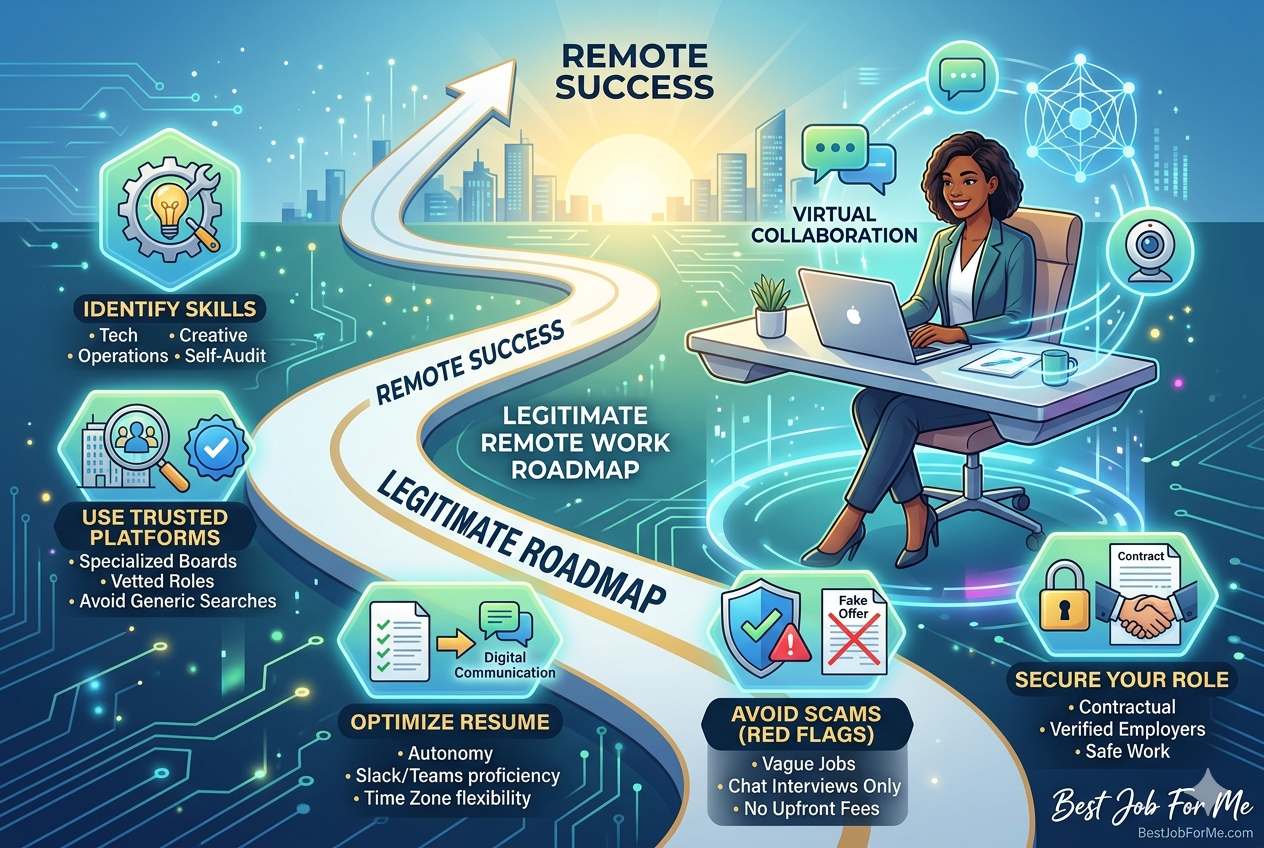
Knowing how to identify scams is only one part of finding legitimate remote work.
A safer strategy begins with searching for positions that genuinely match your experience and skills.
Instead of searching for:
“Easy work from home job”
search for a specific profession:
- Remote customer service representative
- Remote web developer
- Remote digital marketer
- Remote project manager
- Remote content writer
- Remote graphic designer
- Remote virtual assistant
- Remote data analyst
Specific searches are more likely to lead you toward professional positions with clearly defined requirements.
If you’re beginning your search, our guide on how to find a remote job explains how to choose a target role, prepare your resume, search strategically, and evaluate remote opportunities.
Build Skills That Legitimate Remote Employers Want
One way to improve your remote job search is to become a stronger candidate.
Professional employers aren’t simply looking for someone who wants to work from home.
They’re looking for someone who can produce results remotely.
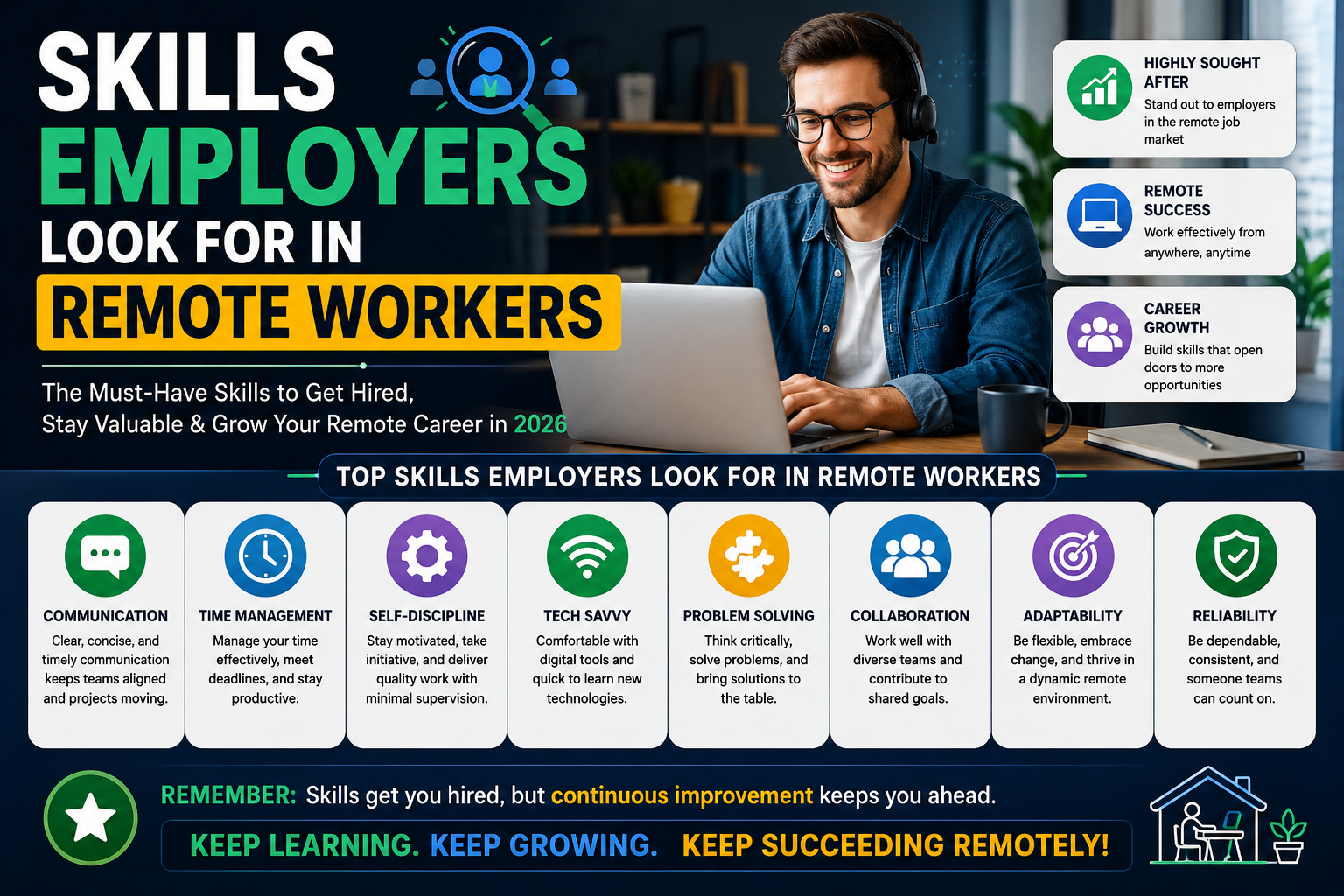
Important abilities include:
- Communication
- Time management
- Self-motivation
- Organization
- Digital collaboration
- Problem-solving
- Reliability
- Adaptability
Developing the skills employers look for in remote workers can help you compete for better opportunities and recognize the difference between legitimate professional positions and vague offers promising easy money.
Understand the Difference Between Remote Employment and Freelancing
Not every online opportunity is a traditional job.
Some people work remotely as freelancers.
Freelancers may:
- Work with multiple clients
- Charge hourly or per project
- Find their own clients
- Provide their own equipment
- Manage their own schedules
- Handle business-related expenses
This can be completely legitimate.
The important thing is understanding the relationship before agreeing to work.
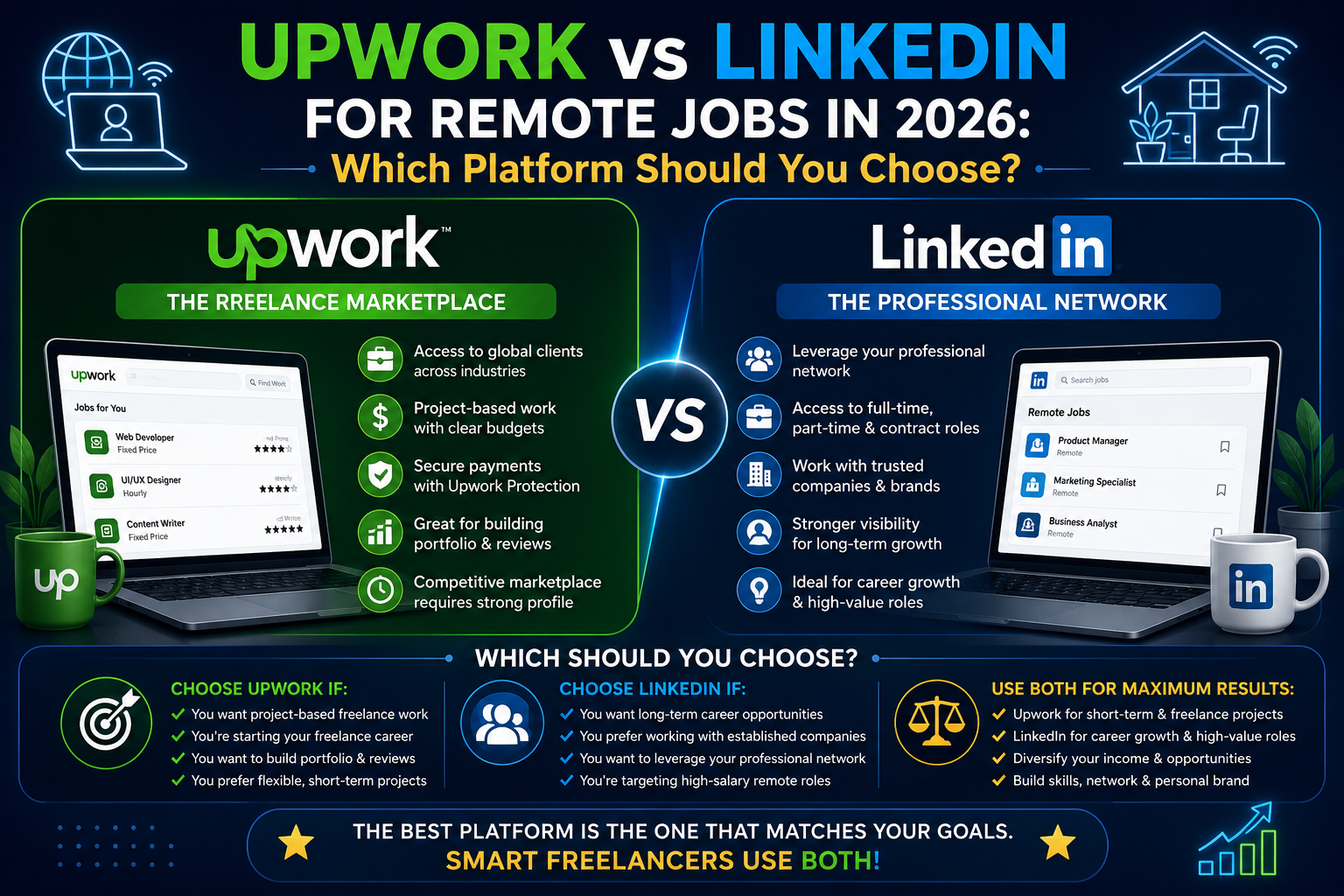
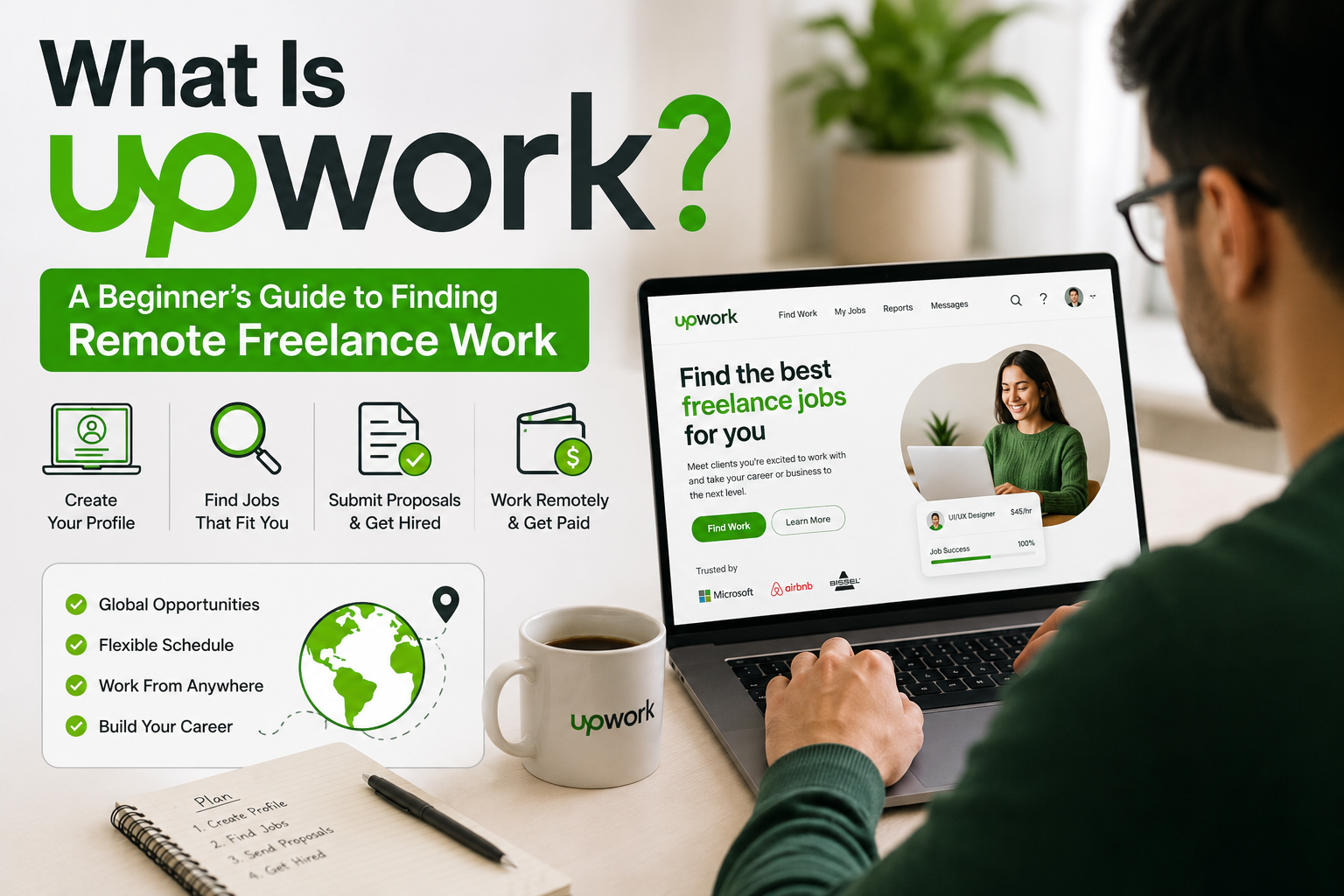
If you’re considering freelance remote work, learning how Upwork works can help you understand one common approach to finding freelance clients online.
Questions to Ask Before Accepting a Remote Job
Before accepting an offer, make sure you understand the basic terms.
Consider asking:
- Is this an employee or freelance position?
- Is the role fully remote?
- Are there location restrictions?
- What hours am I expected to work?
- Who will I report to?
- How will I be paid?
- How often will I be paid?
- Does the company provide equipment?
- How does onboarding work?
- How does the team communicate?
- How is performance measured?
- Are there any required office visits?
Clear answers can help you evaluate both the legitimacy and suitability of the opportunity.
Frequently Asked Questions
How can I tell if a remote job is legitimate?
Research the employer independently, verify the recruiter, inspect the email domain, review the company’s official website, and make sure the responsibilities and compensation seem realistic. Be particularly cautious when you’re asked to send money or sensitive information early in the process.
Are all text-based remote interviews scams?
No. Employers use different hiring processes, and some communication may happen through chat. However, an entirely text-based interview followed quickly by an offer deserves additional verification, especially when other warning signs are present.
Is it normal for a remote company to provide equipment?
Yes. Some legitimate employers provide computers, monitors, headsets, or other equipment. Be cautious if you’re asked to send money, deposit unusual payments, or purchase equipment from an unverified vendor.
Can fake recruiters impersonate real companies?
Yes. A scammer may use the name, branding, or job descriptions of a legitimate company. That’s why verifying the person contacting you can be just as important as verifying the company itself.
Can fake jobs appear on legitimate job websites?
Yes. Reputable job platforms work to prevent fraudulent listings, but no platform should replace your own basic verification. Research the employer before providing sensitive information or sending money.
What should I do if I’ve already sent money?
Contact the financial institution or payment provider involved as soon as possible and explain what happened. Save all communication and transaction records, and follow the provider’s instructions for securing your account or disputing transactions where possible.
Final Thoughts
Remote work can provide excellent career opportunities, but the convenience of online hiring also means job seekers need to be careful.
Learning how to spot fake remote jobs doesn’t require assuming that every opportunity is fraudulent.
Instead, look for patterns.
Unrealistic compensation, vague responsibilities, suspicious communication, extreme urgency, requests for money, and demands for sensitive information are all reasons to investigate further.
Most importantly, verify opportunities independently.
A legitimate remote job should have an identifiable employer, understandable responsibilities, reasonable compensation, professional communication, and a hiring process appropriate for the position.
Taking a few extra minutes to research an employer can protect your personal information, your money, and your time while helping you focus on remote opportunities that can genuinely move your career forward.